Mascot horror
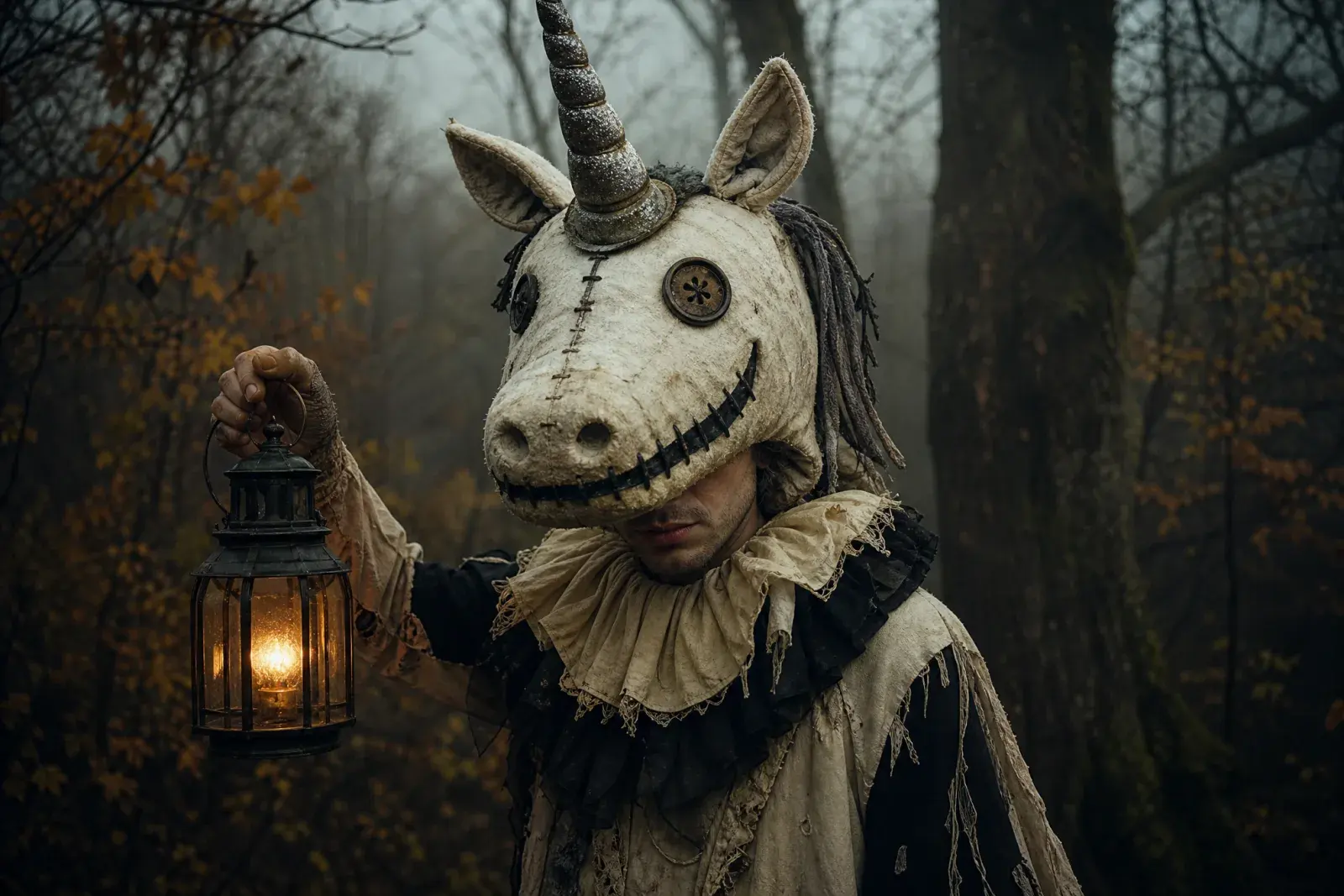
Haunted Unicorn Mascot Portrait
A trend-aware but original haunted mascot look: ivory plush, a long silver horn, a stitched smile, and a tattered ruff. The person stays visible inside the costume, and the result is eerie without gore.
- Original design, not a film character copy
- Wearable plush costume with a human jaw visible
- Foggy autumn forest and lantern light
Updated October 20, 2026
Related Halloween looks
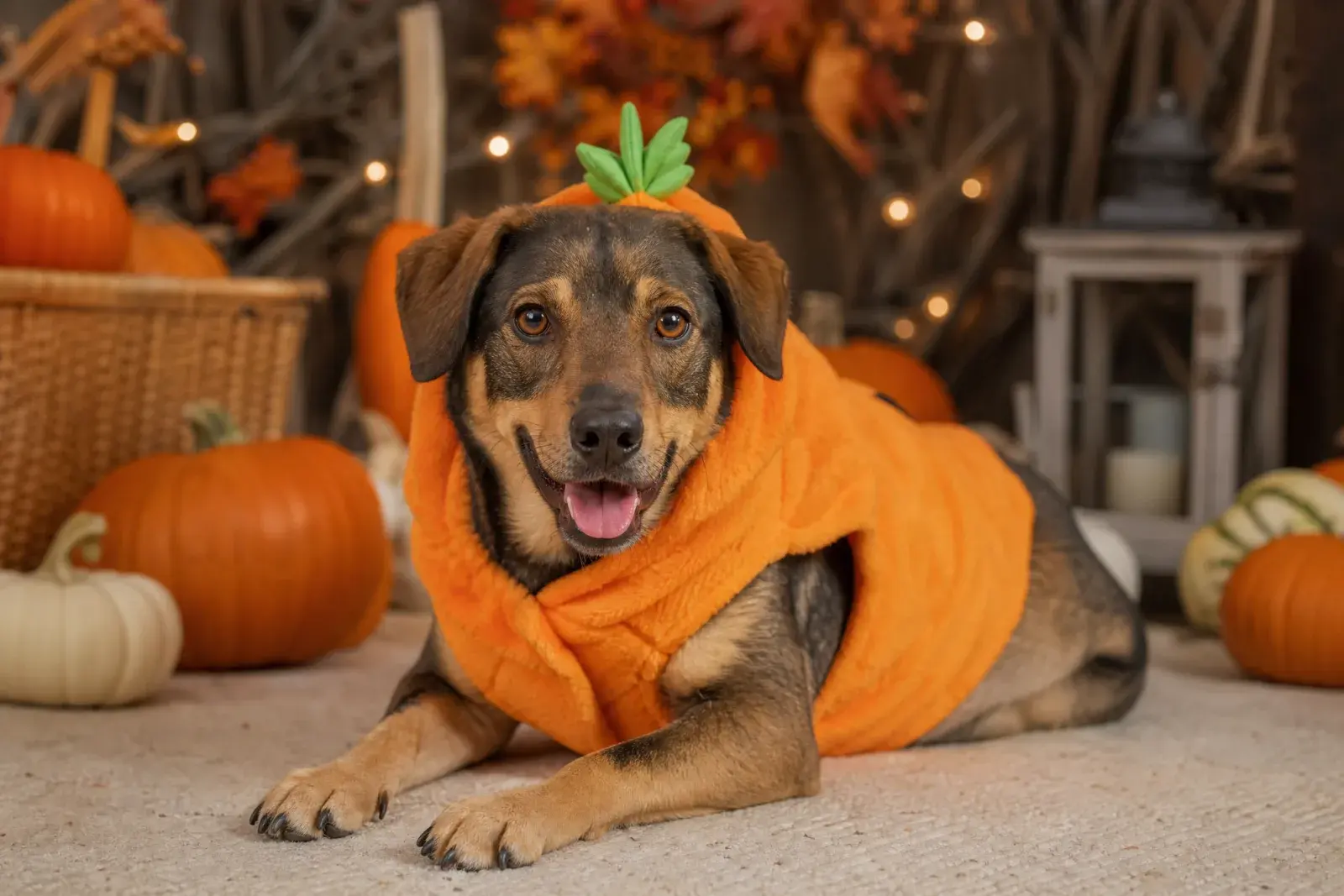
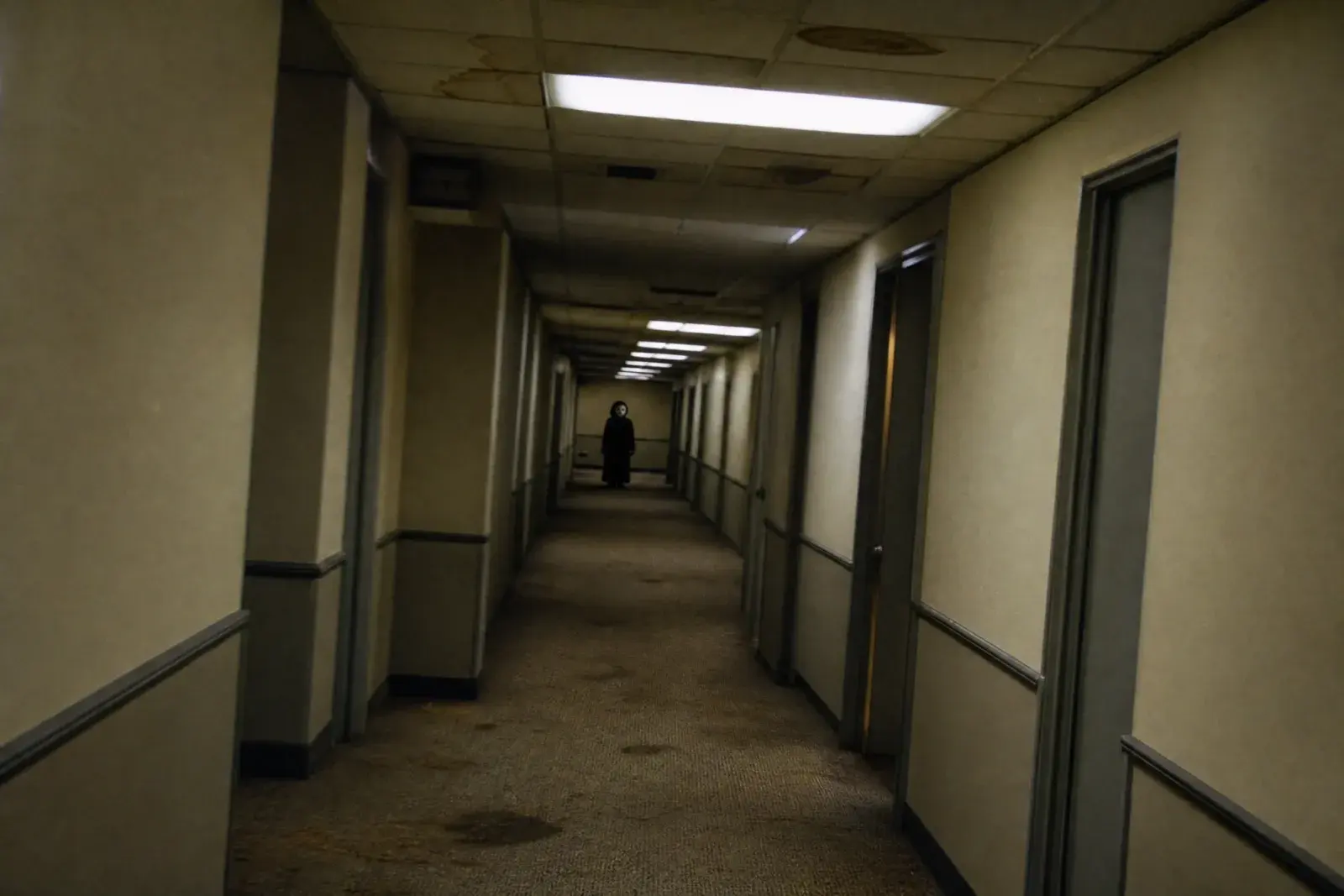
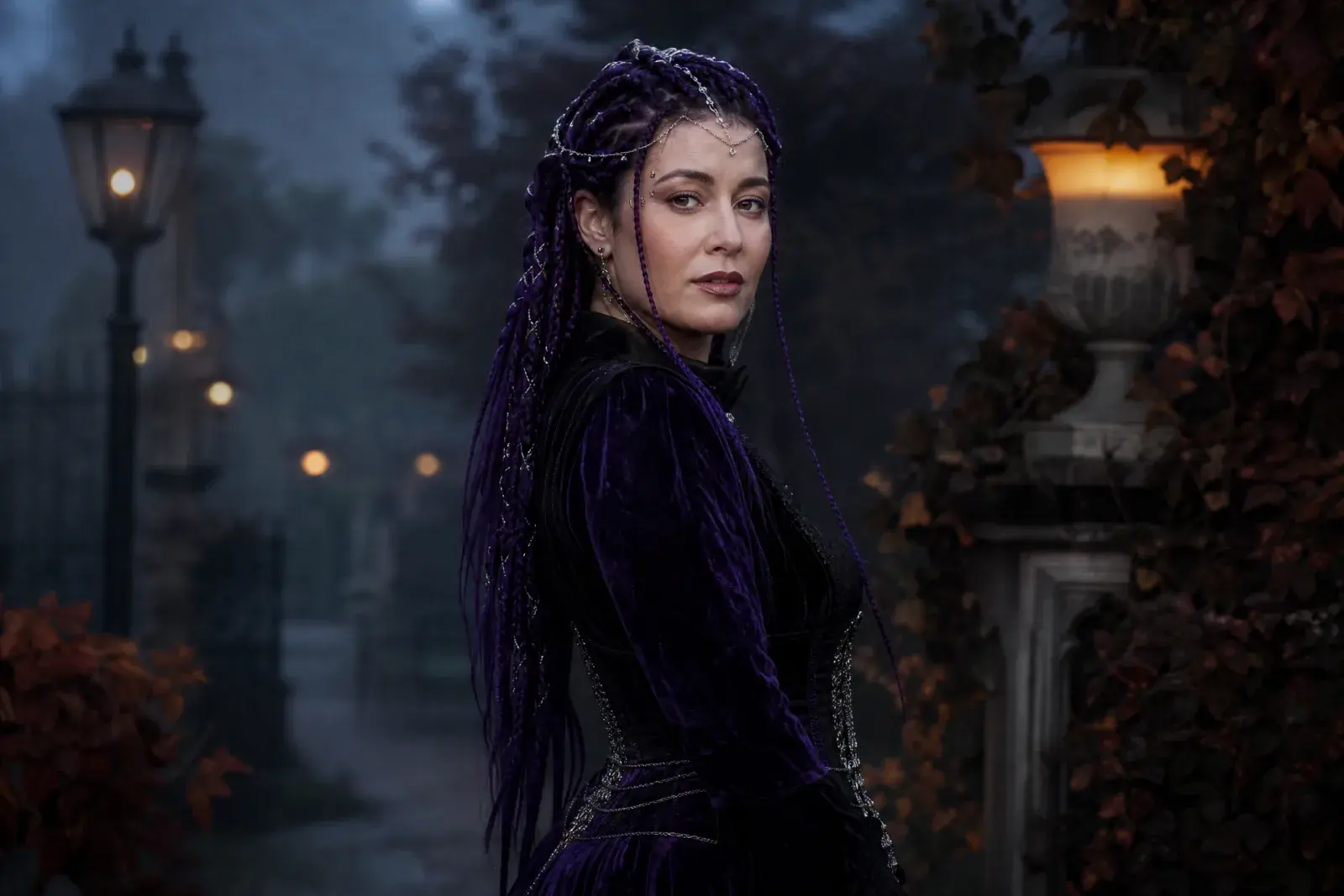
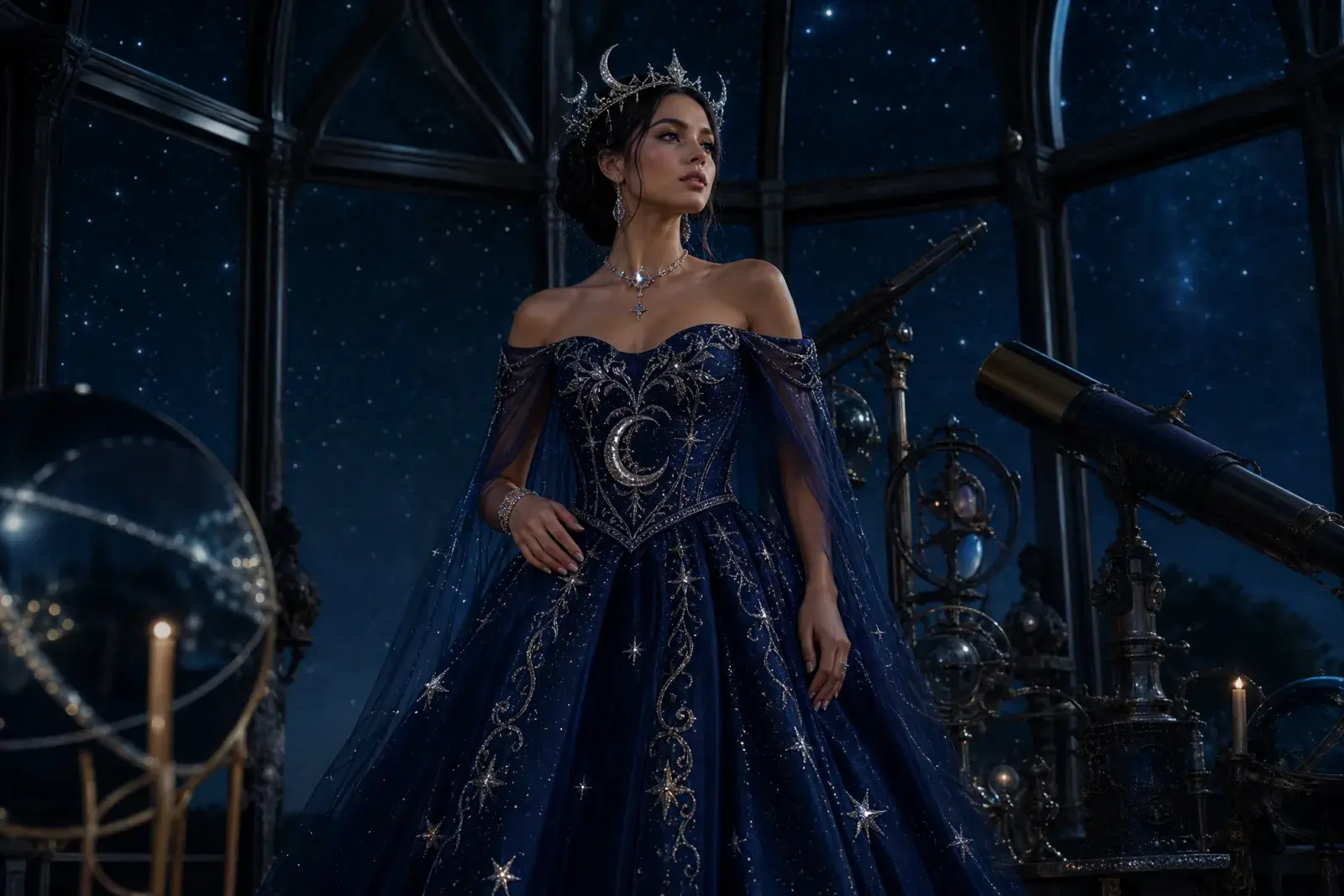
Eight original looks built around this year's trending costume language: gothic braids, celestial princess, sci-fi visor hero, pumpkin pet, robot, haunted mascot, liminal horror, and a cowboy-angel couple.
How it works
1
Upload one clear photo
Use a front-facing photo with even light and no sunglasses. One person works best; couples need a multi-reference model.
2
Keep the identity lines
The prompt protects the face, skin tone, body proportions, and the number of people. Change the costume and scene, not the person.
3
Edit once, then animate
Generate the still first. When the face and costume look right, send that image to an image-to-video model for a five-second clip.
Prompt recipe
The human jaw and hands are deliberate. They keep the image in "person in a costume" territory instead of a full creature transformation.
Open the image generator, upload your photo, and keep the identity-preservation lines intact. The prompt is written for an image-editing model, not a generic text-to-image prompt.
Create an original haunted unicorn mascot portrait for a Halloween costume concept. The subject is an adult wearing a wearable, theatrical unicorn mascot costume: soft ivory plush head with a long silver horn, one slightly mismatched button eye, a stitched velvet smile, and a tattered black-and-cream ruff. The costume should look handmade and unsettling but not gory. Preserve the wearer's human jaw and hands so the person remains visibly inside the costume. Dark autumn forest background with shallow fog and a single warm lantern. Photorealistic editorial photography, realistic plush texture, cinematic lighting. No text, no logos, no watermark. Do not copy any film or game character design.
Model routing
Each look can run on more than one model. Start with an identity-first model, then compare a scene-first edit when you need a stronger costume or background.
KIENano Banana ProFace and identity preservation
Image editKIESeedream 4.5 EditCostume, fabric and scene changes
Image editKIEFLUX KontextCostume, fabric and scene changes
Image editKIEGPT-4o Image EditCostume, fabric and scene changes
Image editKIEKling 2.1 ProShort cinematic motion
Image to videoKIEVeo 3.1 FastShort cinematic motion
Image to videoKIESeedance 1.5 ProShort cinematic motion
Image to videoKIESora 2 CharactersShort cinematic motion
Image to videoQuestions
Is this the movie character?+
No. This is an original haunted unicorn mascot design. It responds to the trend without reproducing a specific film, game, or costume design.
Can I make it scarier?+
Add stronger shadow, a lower camera angle, or a more damaged plush texture. Keep "no gore" if you want the result to stay platform-friendly.
Can I animate the head tilt?+
Yes. A slow head tilt and a flickering lantern are enough. Avoid fast jump-scare motion; it usually breaks the costume silhouette.
Haunted Unicorn Mascot Portrait
Generate the still first. When the face and costume look right, send that image to an image-to-video model for a five-second clip.
Original AI interpretations. Vidle is not affiliated with film, game, or costume rights holders. Only upload photos of people who have given you permission.